
 Modern energy is changing. With dynamic tariffs, electricity prices can change at short intervals, which means solar installations must constantly evaluate what is most beneficial at any given moment. Store energy in a battery? Use it directly on-site? Sell it back to the grid? Or, on the contrary, charge the battery from the grid when prices are low?
In standard solutions, a large part of the decision-making process is often dependent on the cloud. This works well until connectivity is interrupted. Once the connection is lost, the system may fall back to fixed rules and stop responding to current prices, battery status, or real-time solar panel production.
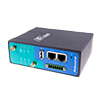
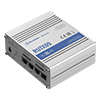
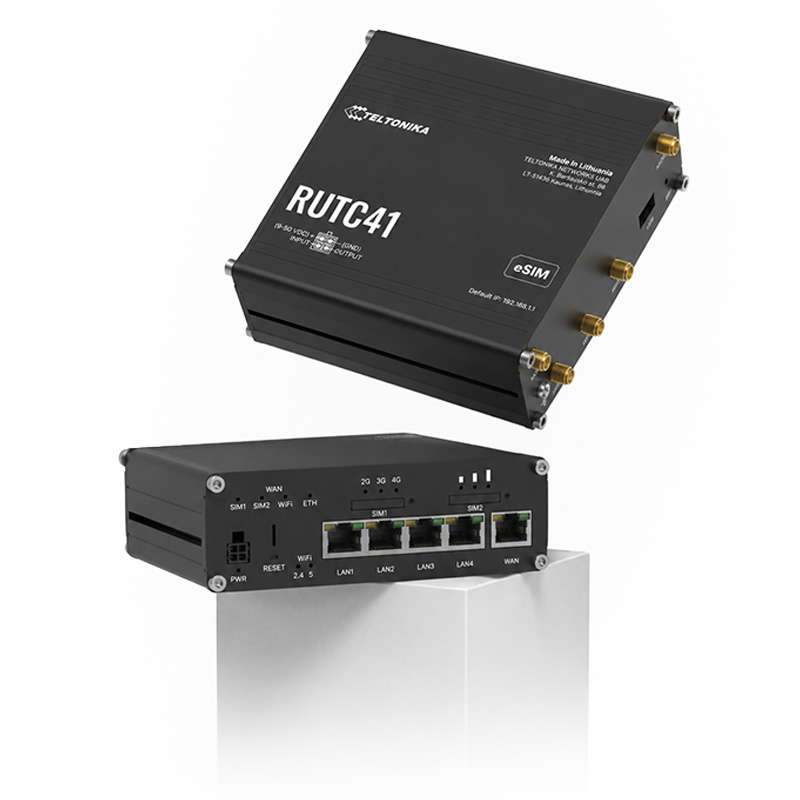
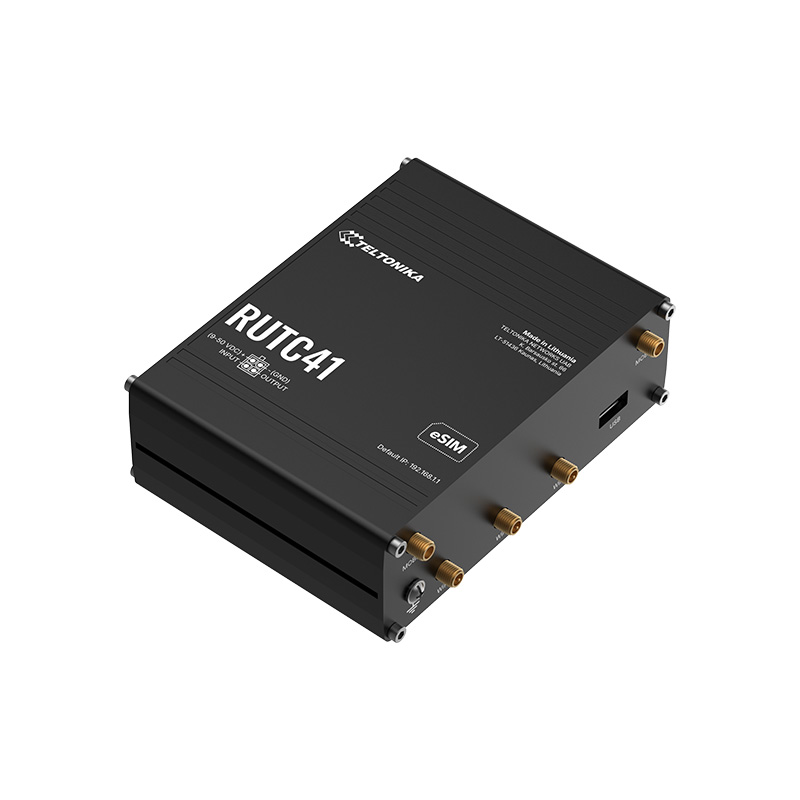
Teltonika RUTC41 brings a local control layer to these applications. Thanks to Docker container support, a custom application can run directly on the router, right at the installation site. This allows the RUTC41 to process operational data, communicate with a hybrid inverter, and make decisions without the need to send every step to the cloud.
Key features at a glance
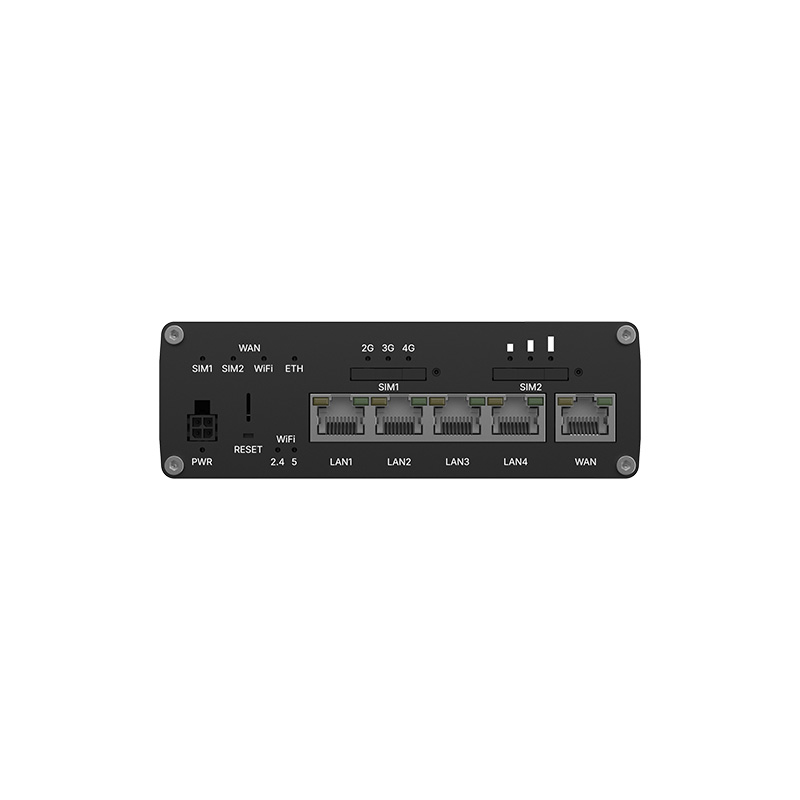
- 4G LTE Cat 4 connectivity for stable communication in industrial installations.
- Dual-core 1.3 GHz CPU, 1 GB RAM, and 8 GB flash memory for edge applications.
- Docker container support for running custom solutions directly on the router.
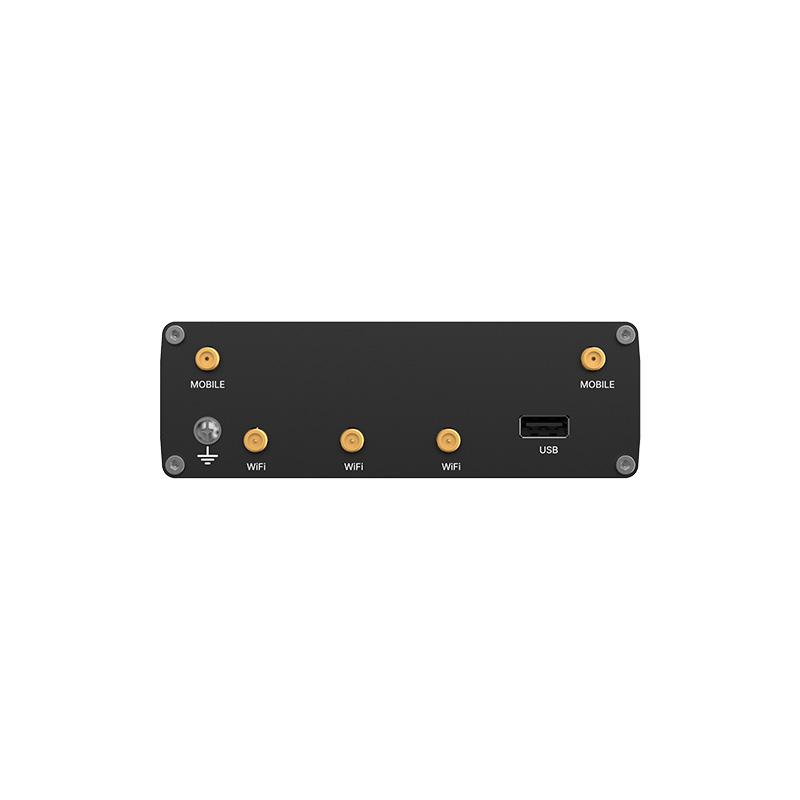
- Dual-band Wi-Fi 6 for a modern wireless network.
- 5× Gigabit Ethernet for wired technology connections.
- RutOS, '>VPN, firewall, and support for remote management via Teltonika RMS.
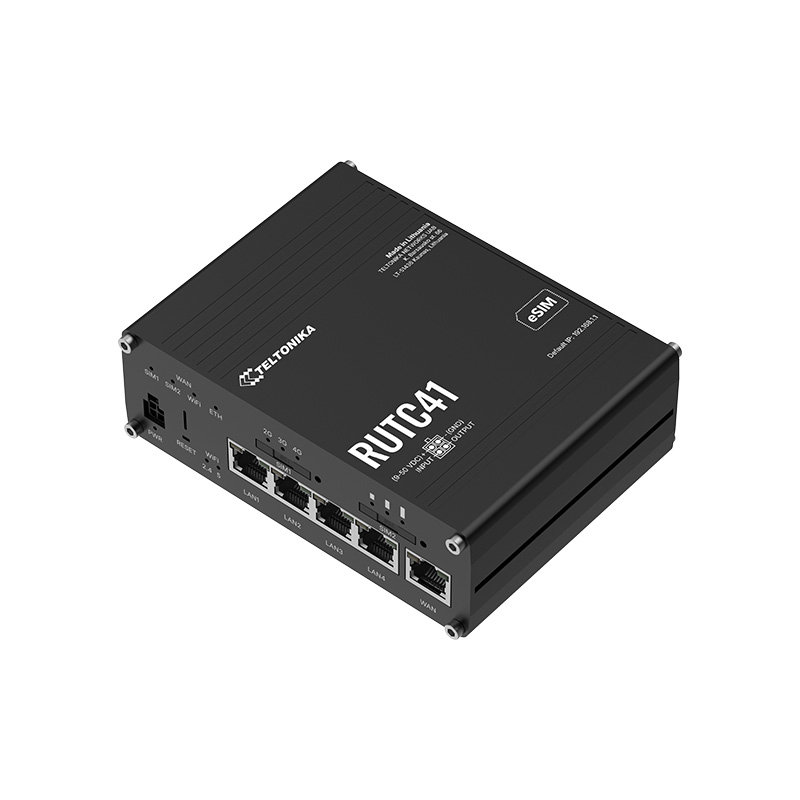
- Compact industrial design suitable even for installation in electrical cabinets.

Use in solar energy
In the sample use case by Teltonika Networks, the RUTC41 acts as the local brain of a solar energy system. The router communicates with a hybrid inverter via a wired Gigabit connection and collects data on energy production, battery status, consumption, and available price signals. Based on these inputs, it evaluates whether the system should store energy, consume it, sell it back to the grid, or purchase it when prices are lower.
A major advantage is that the main logic runs directly on-site. If the connection to an external platform is temporarily lost, the system can continue operating autonomously. Once connectivity is restored, the data is synchronized again, and remote analytics can continue without major interruption.
Who is the RUTC41 suitable for?
Teltonika RUTC41 is an ideal choice for system integrators, developers, and technology companies that need to combine industrial connectivity with local computing power. It can be used not only in energy and solar installations, but also in industrial automation, smart city projects, retail, and other IoT applications.
If you are looking for a router that can do more than just provide internet connectivity, the RUTC41 is an interesting step toward practical edge computing.