

A vending machine is more than just a device with a SIM card
To accept cashless payments, report stock levels and communicate with operational systems, a vending machine needs a stable and securely designed connection. A connectivity outage can quickly turn into lost sales and an unnecessary service visit.
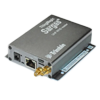
This was precisely the challenge faced by a Dutch operator of unattended vending machines located at railway stations, shopping areas and transport hubs. Quiosk operates unmanned machines, accepts card payments and remotely monitors stock information. In cooperation with integrator Delmation IoT Solutions, the company deployed industrial routers Robustel R2010 and the RCMS cloud platform.
Three challenges in operating a vending network
Dependence on the local network: A dedicated connection was often unavailable, while public Wi-Fi was unsuitable for payment traffic.
Unclear cause of an outage: From a remote location, it was difficult to determine whether the vending machine, payment terminal, connection or upstream service had failed.
Difficult scaling: Every different configuration complicated installation, documentation, remote management and servicing.
Five operational requirements
- Independence from the network infrastructure of each site owner.
- Reliable connectivity for payment authorization and operational data transfer.
- Centralized monitoring of routers across the entire installed network.
- Remote diagnostics before dispatching a technician.
- Standardized configuration for repeatable deployment of additional kiosks.
Robustel R2010 inside every kiosk
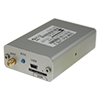
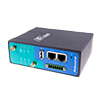
The Robustel R2010 router is connected via Ethernet to the vending machine controller and, depending on the specific setup, also to the payment terminal or other local devices.
The 4G/LTE mobile network provides an independent route to the operator's backend systems. The vending machine therefore does not depend on the infrastructure of the building owner.

From the vending machine to centralized monitoring
Diagnostics before a technician is dispatched
The RCMS platform provides an overview of router status, mobile signal quality and data usage. Devices can be grouped, configuration templates can be used, and configurations or '>firmware updates can be distributed remotely.
When an incident occurs, the team can first verify router availability and the status of the mobile connection. This helps the operations team distinguish a network problem from a controller, payment system or backend fault and prepare any required service intervention more precisely.
Why the Robustel R2010 is well suited to this application
Note: the original case study does not specify whether the Dual SIM function was actually used in every kiosk.
A router or '>VPN alone does not automatically ensure that a payment solution complies with PCI DSS or any other security requirement. Security must be assessed across the entire chain from the terminal through the network to the backend, including configuration, access management, updates and the responsibilities of individual suppliers.
A standardized architecture instead of improvisation
The operator gained a communications model that can be repeated across different locations. The team can see routers from a single interface, identify the cause of incidents more accurately and dispatch technicians with more specific information.
Robustel describes these results qualitatively. The public case study does not state availability percentages, the number of avoided service visits or financial savings, so these outcomes should not be interpreted as a universal guarantee for every deployment.
Practical checklist for your own project
Designing connectivity for kiosks or IoT devices?
SECTRON supplies the Robustel R2010 router and can help you select a suitable industrial router, antenna and accessories. For larger IoT projects, we recommend starting with a pilot installation before creating a standardized configuration for large-scale deployment.
View Robustel R2010 Discuss Your Project